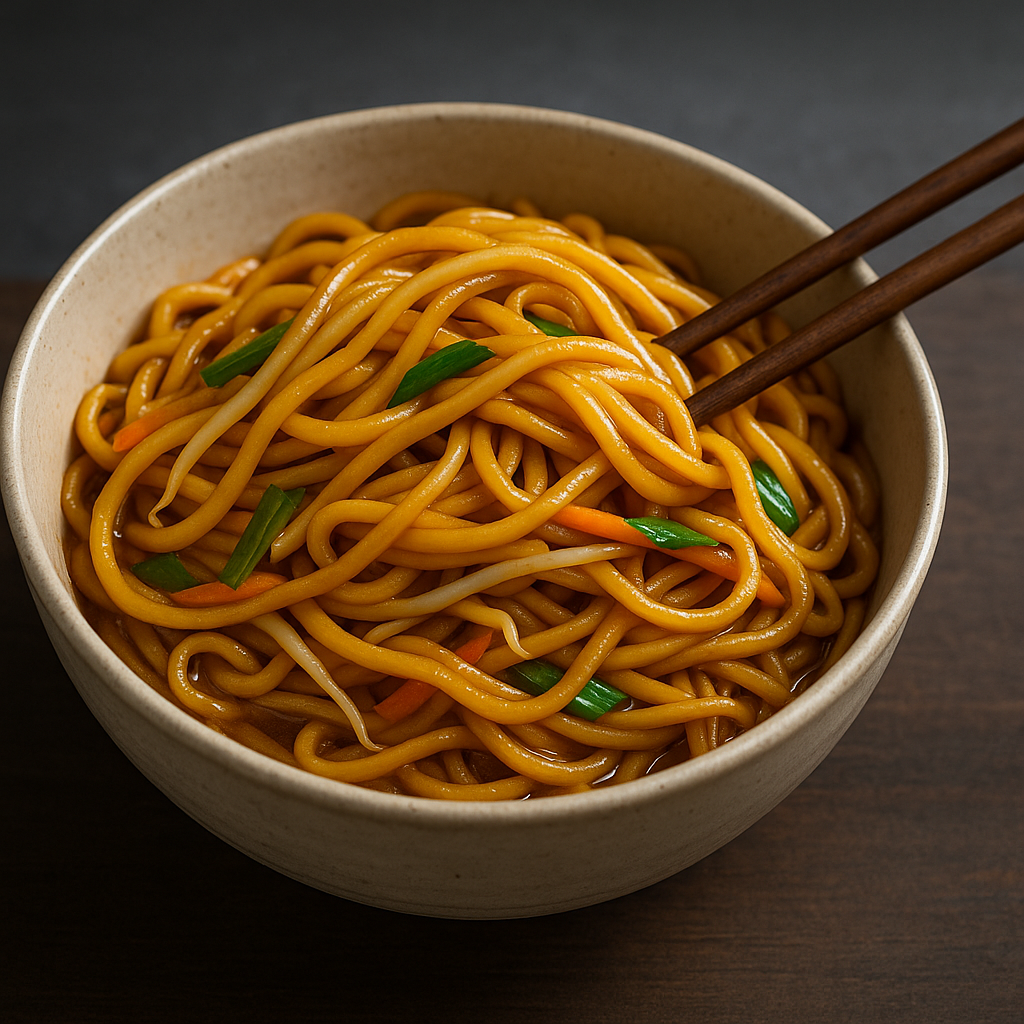
Why Homemade Chinese Noodles Are a Culinary Revelation
Have you ever craved the authentic, chewy texture and rich flavor of Chinese noodles, only to be disappointed by greasy takeout versions? Imagine crafting those irresistible strands right in your own kitchen, healthier, fresher, and bursting with flavor that rivals – and often surpasses – your favorite restaurant. Embark on a culinary journey to create truly perfect Chinese noodles from scratch, transforming simple ingredients into a versatile foundation for countless delicious meals. Making noodles at home isn't just about saving money or avoiding unknown additives; it's about control, freshness, and the profound satisfaction of culinary creation. Store-bought noodles, while convenient, often lack the nuanced texture and vibrant taste of their homemade counterparts. Our guide will demystify the process, ensuring you achieve consistently perfect Chinese noodles every time, ready to be tossed in a savory sauce or incorporated into a hearty stir-fry.The Essential Ingredients for Your Perfect Chinese Noodles
The beauty of authentic Chinese noodles lies in their simplicity. You only need a few basic pantry staples to begin your journey. The quality of these ingredients, however, plays a crucial role in the final texture and flavor of your perfect Chinese noodles.- All-Purpose Flour: While readily available all-purpose flour works wonderfully, for an even chewier, more authentic noodle, consider using bread flour or a high-gluten flour. The higher protein content contributes to better gluten development, resulting in a more elastic and satisfying bite.
- Eggs: Eggs add richness, color, and contribute significantly to the noodle's elasticity and overall texture. They bind the dough, making it smoother and easier to work with. For egg-free noodles, simply use more water, though the texture will be slightly different.
- Water: The hydration of your dough is paramount. Start with cold water and add it gradually. The amount needed can vary based on the humidity in your kitchen and the specific flour you're using.
- Optional Salt: A pinch of salt not only enhances the flavor of the noodles but also strengthens the gluten structure, making the dough more pliable and easier to handle.
Step-by-Step Guide to Crafting Your Perfect Chinese Noodles From Scratch
The process of making noodles from scratch is a rewarding one, requiring a little patience but yielding incredible results. Follow these steps closely for consistently excellent noodles.1. Combining Your Ingredients
In a large mixing bowl, create a well in the center of your flour. Crack your eggs into the well, and add your initial ¼ cup of water along with the optional pinch of salt. Using your hands or a sturdy spoon, gradually incorporate the flour from the sides into the wet ingredients. Continue mixing, adding more water a tablespoon at a time, until the dough just comes together into a shaggy ball. Avoid adding too much water, as it's easier to add more than to correct an overly wet dough.
2. The Art of Kneading for Perfection
Transfer the shaggy dough to a lightly floured surface. This is where the magic happens! Knead the dough vigorously for 10-15 minutes. The goal is to develop the gluten, which gives noodles their characteristic chew and elasticity. Initially, the dough will be stiff and possibly crumbly, but as you knead, it will transform into a smooth, elastic, and supple ball that springs back when gently pressed. This prolonged kneading is key to achieving that desirable chewiness of perfect Chinese noodles.
3. The Essential Resting Period
Once your dough is smooth and elastic, form it into a ball. Lightly flour it, then cover it with a damp kitchen towel or plastic wrap. Let it rest at room temperature for at least one hour, or even longer (up to several hours). This resting period is crucial as it allows the gluten to relax, making the dough significantly easier to roll out thinly without it snapping back. Don't skip this step – it's a game-changer for homemade noodles.
4. Rolling and Shaping Your Noodles
- Divide the Dough: After resting, divide the dough into 4-6 manageable pieces. Lightly flour your work surface and each piece of dough to prevent sticking.
- Roll with Precision: Take one piece of dough and begin rolling it out with a rolling pin. The aim is to achieve an even thickness of approximately ⅛-inch (about 3mm). Roll from the center outwards, rotating the dough frequently. For an even easier and more consistent result, especially if you plan to make noodles often, a pasta machine can be a fantastic investment. Start at the widest setting and gradually decrease, flouring lightly between passes.
- Flour and Stack: Once each strip of dough is rolled out, lightly dust both sides with flour. This prevents the strips from sticking together when stacked. Stack the floured strips neatly on top of one another.
- Slice Your Noodles: Using a sharp knife, slice the stacked dough into your desired noodle thickness. For thin noodles (like vermicelli or for a lighter Lo Mein), slice them finely. For thicker, more robust noodles suitable for heartier stir-fries, make your cuts wider. You can also get creative with different shapes, such as wider knife-cut noodles (dao xiao mian) for a unique texture.
- Prepare for Cooking: Gently separate the freshly cut noodles and toss them lightly with a little more flour to prevent sticking. They are now ready for cooking!
Cooking Your Homemade Noodles to Perfection: The Al Dente Secret
The final step in creating perfect Chinese noodles is in their cooking. The goal is an al dente texture – firm to the bite but cooked through. Fill a large pot with plenty of water and bring it to a rolling boil. Add a generous pinch of salt. Carefully add your fresh noodles to the boiling water, stirring gently to prevent sticking. Fresh noodles cook very quickly. Depending on their thickness, they may only need 1-3 minutes. Begin testing them after about 60-90 seconds. You want them just slightly undercooked, as they will soften further when tossed with hot sauce or stir-fried. The trick to perfect stir-fry noodles: Once cooked to al dente, immediately drain the noodles in a colander. Rinse them thoroughly under cold running water. This crucial step halts the cooking process, removes excess starch, and most importantly, prevents the noodles from becoming sticky, gummy, or overcooked when added to your dish. A properly rinsed and cooled noodle retains its distinct, pleasant chew.Beyond the Basics: Turning Your Homemade Noodles into Masterpieces
Now that you've mastered the art of making perfect Chinese noodles from scratch, the culinary possibilities are endless! These versatile noodles form the base of a truly perfect Chinese dish like Lo Mein. While Lo Mein features boiled noodles tossed in a rich, savory sauce (often soy-based with aromatics and perhaps a touch of sesame oil), its cousin, Chow Mein, traditionally involves stir-frying the boiled noodles until they develop a slightly crispy texture. Understanding these subtle differences can elevate your cooking. To dive deeper into these beloved dishes and their distinctions, explore our article: Unlock Perfect Chinese Noodles: Lo Mein vs. Chow Mein & More. The beauty of homemade noodles lies in their adaptability. You can pair them with almost any protein and vegetable combination imaginable.- Protein Ideas: Sliced chicken, succulent shrimp, thinly sliced beef or pork, scrambled eggs, or firm tofu.
- Vegetable Ideas: Crisp bok choy, earthy mushrooms, colorful bell peppers, shredded carrots, vibrant snow peas, onions, cabbage, or tender broccoli florets. For a quick weeknight meal, pre-packed stir-fry vegetable bags are a lifesaver.
These noodles are the canvas for your culinary creativity. For an incredible "better than takeout" experience that’s ready in less than 30 minutes, you can easily turn your freshly made noodles into a delightful Lo Mein. Learn how to craft this authentic dish quickly with our guide: Master Perfect Lo Mein: Better Than Takeout in Under 30 Mins.
