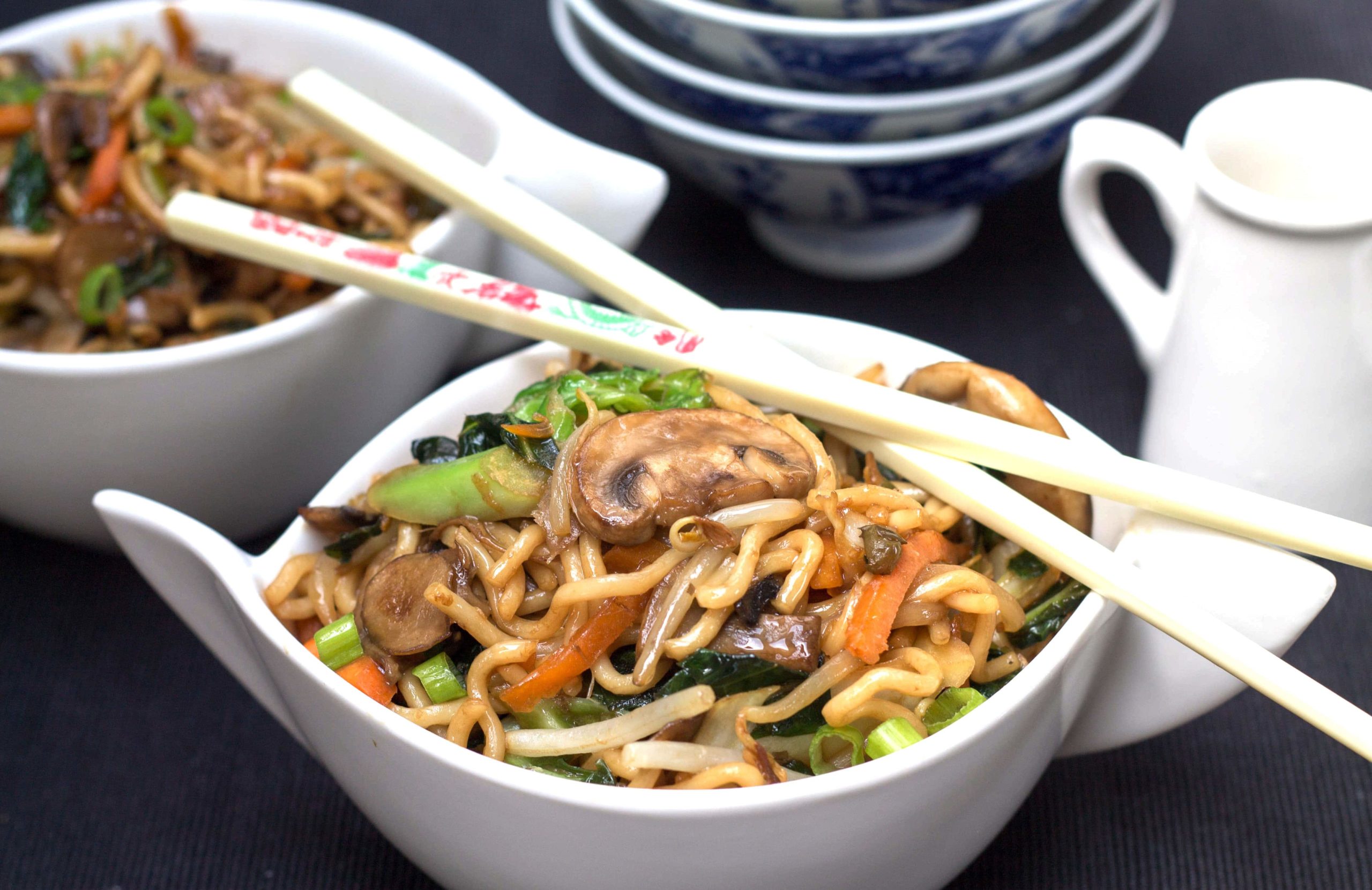
Master Perfect Lo Mein: Better Than Takeout in Under 30 Mins
Craving the savory, satisfying slurp of
authentic Chinese noodles, but tired of greasy, lackluster takeout? Imagine creating a dish so fresh, so flavorful, and so utterly delicious that it rivals your favorite restaurant – all from the comfort of your kitchen, and in less than 30 minutes. This isn't a culinary fantasy; it's the promise of homemade Lo Mein. Forget soggy noodles and overwhelming oil; we're here to guide you to truly
perfect Chinese noodles, transforming simple ingredients into an extraordinary meal that's healthier and more vibrant than anything you'd get delivered. Get ready to elevate your weeknight dinner game.
The Secret to Perfect Chinese Noodles: Beyond the Takeout Carton
Why does homemade Lo Mein consistently outperform its takeout counterpart? The answer lies in freshness, control, and a few clever techniques. Takeout noodles often suffer from overcooking, leading to a mushy texture, or are drenched in excessive oil, leaving a heavy, unhealthy feeling. When you prepare Lo Mein at home, you dictate every ingredient, ensuring quality and balancing flavors to your preference. This control not only results in a healthier meal but also allows for a customized culinary experience.
The key to unlocking truly
perfect Chinese noodles for your Lo Mein is understanding the synergy between the noodle itself, the protein, the vegetables, and, critically, the sauce. Unlike Chow Mein, where noodles are often stir-fried until slightly crispy, Lo Mein celebrates the tender, chewy texture of boiled noodles, tossed in a rich, savory sauce. This distinction is vital for achieving that desirable restaurant-quality mouthfeel without the grease. By mastering these elements, you're not just cooking a meal; you're crafting a superior dining experience.
Crafting Your Under-30-Minute Lo Mein Masterpiece
The beauty of Lo Mein lies in its adaptability and speed. With a little organization, you can have a restaurant-quality meal on your table faster than ordering delivery.
The Foundation: Choosing Your Perfect Noodles
While any stir-fry can accommodate various noodle types, traditional Lo Mein truly shines with specific choices. For that quintessential chewy texture, Chinese egg noodles are your best bet. They hold up well to the sauce and provide excellent mouthfeel. However, don't limit yourself! Rice noodles, soba, or udon can also be fantastic alternatives, each offering a slightly different character. In a pinch, even spaghetti or vermicelli can step in, though they will alter the dish's authentic profile.
Whether you opt for dried or fresh noodles, the cooking method is paramount. The secret to avoiding soggy, clumped noodles lies in two crucial steps:
1.
Cook Al Dente: Boil your noodles until they are just al dente, or slightly undercooked. This means they should have a firm bite to them. Thinner noodles might only need a quick soak rather than boiling.
2.
Cold Water Rinse: Immediately after draining, rinse the noodles thoroughly with cold water. This step is a game-changer. It instantly stops the cooking process, preventing residual heat from overcooking them, and washes away excess starch, which is a major culprit for stickiness and sogginess. This ensures your noodles remain separate, perfectly textured, and ready to absorb the flavorful sauce.
The Heart of the Dish: Proteins and Vegetables Galore
Lo Mein is incredibly versatile, allowing you to customize it with virtually any protein and vegetable combination. This flexibility makes it an ideal dish for using up ingredients you already have on hand.
*
Protein Ideas:
*
Chicken: Thinly sliced chicken breast or thigh cooks quickly and absorbs flavors beautifully.
*
Shrimp: A fantastic speedy option, shrimp adds a delicate sweetness.
*
Eggs: Scrambled or thinly sliced omelet strips offer a classic touch and vegetarian protein.
*
Beef: Flank steak or sirloin, thinly sliced against the grain, works wonderfully.
*
Pork: Lean pork loin or tenderloin, julienned, is another great choice.
*
Tofu: Extra-firm tofu, pressed and cubed, provides a hearty plant-based option.
*
Vegetable Ideas:
*
Quick-Cooking: Bok choy, snow peas, bell peppers, mushrooms, shredded cabbage, bean sprouts, and pre-packed stir-fry mixes are perfect for speed.
*
Crunchy Additions: Carrots (julienned), broccoli florets, and onions add texture and depth. For harder vegetables like broccoli or carrots, a quick blanch or sauté at the beginning can ensure they are tender-crisp.
To make this a truly vegetarian meal, simply increase the vegetable portions and consider adding steamed broccoli or pan-fried tofu as the main protein. The key is to slice all your ingredients uniformly so they cook evenly and quickly.
The Flavor Bomb: Your Authentic Lo Mein Sauce
A truly memorable Lo Mein hinges on its sauce. This is where you infuse that irresistible savory, umami-rich flavor that defines the dish. While exact ratios can be adjusted to taste, a classic Lo Mein sauce typically includes:
*
Soy Sauce: The foundation of umami. Use light (all-purpose) soy sauce.
*
Oyster Sauce: Adds depth, sweetness, and a signature savory complexity. For a vegetarian option, use a mushroom-based stir-fry sauce.
*
Sesame Oil: A finishing oil for its distinct nutty aroma.
*
Sugar: A touch balances the saltiness of the soy and oyster sauces.
*
Garlic and Ginger: Freshly minced, these aromatics are non-negotiable for authentic flavor.
*
Optional: A dash of rice vinegar for brightness, or a cornstarch slurry for a thicker sauce if desired.
Whisk all your sauce ingredients together in a small bowl *before* you start cooking. This "mise en place" (everything in its place) is crucial for a smooth, under-30-minute cooking process.
Step-by-Step Lo Mein Perfection (The Under-30-Minute Plan)
Efficiency is the name of the game here. Having everything prepped and measured is the secret to getting this dish done in a flash.
1.
Prep Everything First: Chop all your vegetables, slice your protein, mince your garlic and ginger, and whisk together your sauce. Set aside.
2.
Cook Noodles: Bring a large pot of water to a rolling boil. Add your chosen noodles and cook according to package directions, aiming for al dente. Drain immediately and rinse thoroughly with cold water. Toss with a tiny bit of sesame oil to prevent sticking, and set aside.
3.
Heat Wok/Pan: Heat a large wok or a wide, heavy-bottomed skillet over high heat until smoking lightly. Add a tablespoon of neutral oil (like canola or vegetable oil).
4.
Cook Protein: Add your protein (chicken, shrimp, beef, etc.) to the hot wok and stir-fry until almost cooked through. If using tofu, cook until golden and slightly crispy. Remove protein from the wok and set aside, leaving any drippings.
5.
Sauté Aromatics & Vegetables: Add a little more oil if needed. Toss in minced garlic and ginger, stir-frying for 15-30 seconds until fragrant (don't burn!). Add harder vegetables first (carrots, broccoli, bell peppers, onions) and stir-fry for 2-3 minutes until tender-crisp. Then add softer vegetables (bok choy, snow peas, mushrooms, cabbage) and stir-fry for another 1-2 minutes.
6.
Combine & Sauce: Return the cooked protein to the wok. Add the drained, cold-rinsed noodles. Pour the pre-mixed sauce evenly over everything.
7.
Toss and Serve: Using tongs or two spatulas, toss vigorously to combine all ingredients, ensuring the noodles are evenly coated with the sauce. Cook for just 1-2 minutes more, allowing the sauce to heat through and cling to the noodles. Do not overcrowd your wok; cook in batches if necessary to maintain high heat and prevent steaming.
Elevate Your Experience: Serving and Customization
Your homemade Lo Mein is now ready to impress! For an extra touch of flair and flavor, garnish with fresh chopped scallions and a sprinkle of toasted sesame seeds. A drizzle of chili oil can add a pleasant kick for those who enjoy a bit of spice.
This versatile dish stands strong on its own, a complete meal packed with flavor and nutrition. However, it also pairs wonderfully with other Chinese-inspired dishes for a more elaborate feast. Consider serving it alongside simple steamed dumplings, spring rolls, or a light cucumber salad. For those who relish the art of noodle making, you might even consider trying your hand at crafting the perfect base from scratch. While not a 30-minute task, learning to make
authentic Chinese noodles from scratch can be a deeply rewarding experience for future culinary adventures.
Conclusion
You've now unlocked the secrets to creating incredible Lo Mein at home – a dish that's not only better than takeout but also ready in under 30 minutes. By focusing on fresh ingredients, mastering the noodle cooking technique, and crafting a balanced, savory sauce, you can consistently achieve that coveted "
perfect Chinese noodles" experience. Say goodbye to greasy, disappointing deliveries and hello to vibrant, fresh, and deeply satisfying homemade Lo Mein. Your culinary journey to Asian cuisine perfection starts here!