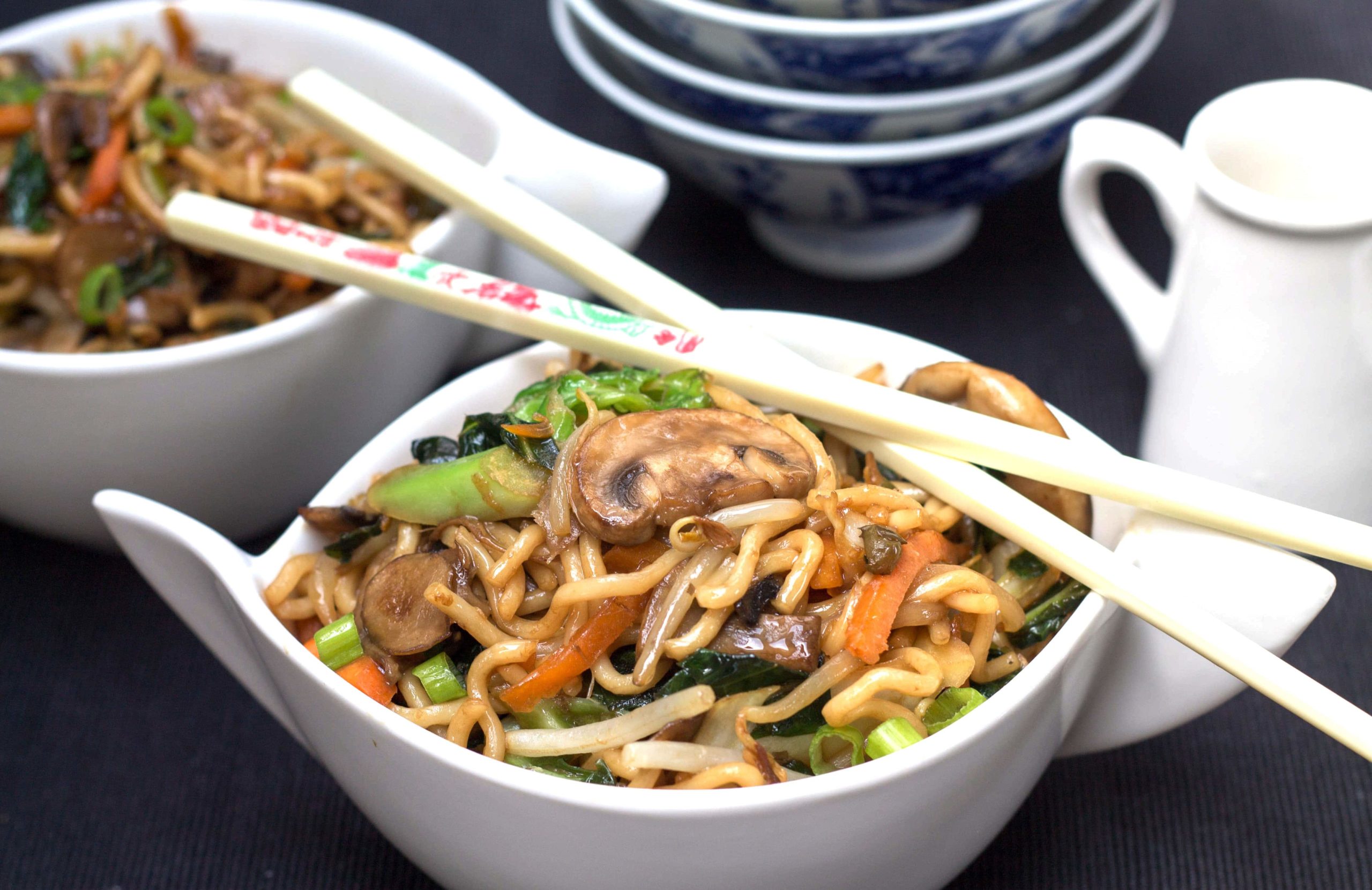
The Quest for Perfect Chinese Noodles: Why Homemade Trumps Takeout
There's a universally acknowledged truth among food lovers: nothing beats a bowl of truly delicious, perfectly cooked Chinese noodles. Yet, the reality of takeout can often fall short – greasy, soggy, and lacking the vibrant freshness we crave. If you've ever dreamt of recreating that ideal noodle dish at home, one that's healthier, more flavorful, and precisely to your liking, you're in the right place. Unlocking the secret to perfect Chinese noodles isn't just about a recipe; it's about understanding the nuances of preparation, the subtle differences between beloved classics like Lo Mein and Chow Mein, and even the joy of crafting noodles from scratch.
Imagine a dish where every strand of noodle is al dente, coated in a savory sauce, and brimming with your favorite crisp vegetables and tender protein. This isn't just a fantasy; it's an easily achievable reality in your own kitchen. By taking control, you bypass the common pitfalls of commercial preparations, allowing you to tailor the ingredients, control the oil content, and infuse your meal with unparalleled freshness. From mastering quick stir-fries to embarking on the rewarding journey of handmade dough, the path to superior Chinese noodles is both simple and profoundly satisfying.
Lo Mein vs. Chow Mein: Unraveling the Noodle Mystery
Perhaps two of the most popular Chinese noodle dishes in Western cuisine, Lo Mein and Chow Mein are often confused, yet their defining characteristics lie in their cooking methods. While both typically feature similar types of egg noodles and can be loaded with an array of proteins and vegetables, how those noodles are handled makes all the difference.
- Lo Mein: The Tossed Noodle
The term "Lo Mein" literally translates to "tossed noodles." In this preparation, the noodles are boiled until perfectly al dente, then drained and gently tossed with a rich, savory sauce and pre-cooked ingredients (proteins and vegetables). The key here is that the noodles themselves are *not* stir-fried in the wok after boiling. This method results in soft, springy, and thoroughly saucy noodles that absorb the flavors beautifully. Lo Mein noodles are often slightly thicker than those used in Chow Mein, contributing to their satisfying chew. - Chow Mein: The Stir-Fried, Crispy Noodle
"Chow Mein," meaning "stir-fried noodles," takes a different approach. While the noodles are also boiled first, the crucial distinction is what happens next: they are then added to a hot wok and stir-fried, often until they achieve a delightful crispness, especially on the edges. This process can range from a light crisping to a more deeply fried, almost cake-like texture, depending on the regional style. The sauce and other ingredients are typically mixed in during or after this stir-frying step, resulting in a dish with a distinct textural contrast between soft and crispy elements.
Understanding this fundamental difference is your first step to making perfect Chinese noodles, allowing you to intentionally choose the texture you desire for your dish. Whether you prefer the saucy embrace of Lo Mein or the satisfying crunch of Chow Mein, knowing the technique empowers your culinary journey.
Mastering the Art of Perfect Noodle Preparation for Stir-Fries
Regardless of whether you're aiming for Lo Mein, Chow Mein, or any other noodle stir-fry, the single most critical technique for achieving non-soggy, restaurant-quality results lies in how you cook and prepare your noodles. This simple trick is a game-changer:
- Cook Al Dente: Boil your chosen noodles until they are just al dente – meaning they still have a slight bite to them, a minute or two shy of being fully cooked. Thin noodles might only need a quick soak rather than boiling. Overcooked noodles are the nemesis of a good stir-fry, quickly turning into a mushy mess.
- Rinse with Cold Water: Immediately after draining the al dente noodles, rinse them thoroughly under cold running water. This crucial step serves two purposes: it instantly stops the cooking process, preventing carryover heat from making them mushy, and it washes away excess starch, which can cause stickiness.
- Drain Well & Lightly Oil: Ensure your noodles are well-drained. For extra insurance against sticking, you can lightly toss them with a tiny bit of sesame or neutral oil.
This method ensures your noodles retain their structural integrity and chewy texture when they hit the hot wok, allowing them to truly shine in your stir-fry. It's the secret weapon that elevates your homemade dish far beyond typical takeout. While traditional Chinese egg noodles are a popular choice, don't limit yourself! Rice noodles, soba, udon, or even everyday spaghetti or vermicelli can work wonderfully in a pinch. Feel free to use dried or fresh noodles; the technique remains the same. For a deep dive into creating an amazing Lo Mein quickly, check out our guide on Master Perfect Lo Mein: Better Than Takeout in Under 30 Mins.
Crafting Your Perfect Chinese Noodle Dish: Customization & Creativity
One of the greatest joys of making perfect Chinese noodles at home is the boundless opportunity for customization. Your kitchen becomes a canvas, allowing you to paint with a spectrum of flavors, textures, and nutritional profiles. Forget rigid recipes; think creative freedom!
- The Vegetable Powerhouse: Almost any vegetable that holds up to stir-frying can find a happy home in your noodle dish. Think beyond the usual!
- Classic Choices: Carrots (julienned), bell peppers (sliced), onions, mushrooms (shiitake, button), broccoli florets, snow peas, cabbage, and bok choy are fantastic.
- Convenience Hack: Pre-packed stir-fry vegetable bags are a busy cook's best friend.
- Adding Crunch: Water chestnuts, bamboo shoots, or even a sprinkle of toasted cashews at the end can provide delightful texture.
Tip: For vibrant colors and varying textures, add harder vegetables like carrots and broccoli earlier in the stir-fry process, and softer ones like spinach or snow peas towards the end. - Protein Perfection: The world of protein is your oyster when it comes to Chinese noodles.
- Meat Lovers: Sliced chicken breast or thigh, tender beef strips, succulent shrimp, or thinly sliced pork are all excellent. Marinating them briefly before cooking enhances flavor and tenderness.
- Vegetarian & Vegan Friendly: Tofu (firm or extra-firm, pressed and cubed/sliced), tempeh, or even a scramble of eggs offer superb plant-based alternatives. You can easily make any noodle dish vegetarian by swapping meat for steamed broccoli or other vegetables and using a vegetarian-friendly sauce.
- The Authentic Sauce: A truly savory, balanced sauce is the heart of any great noodle dish. While specific recipes vary, a good base often includes soy sauce (light and dark), a touch of sesame oil, rice vinegar, a hint of sugar, and sometimes oyster sauce (or a vegetarian alternative). The beauty of homemade is adjusting this balance to your exact palate.
Beyond the Bowl: Making Authentic Chinese Noodles from Scratch
For the ultimate fresh and authentic experience, consider making your own Chinese noodles from scratch. It's a culinary adventure that's incredibly rewarding and surprisingly accessible, requiring no special equipment beyond a rolling pin and a knife (though a pasta machine can simplify things). Homemade noodles possess an incomparable chew and flavor that elevates any dish.
Chinese noodles come in an astonishing variety of shapes, thicknesses, and lengths, reflecting the diverse culinary traditions across China's regions. This gives you the creative license to experiment!
The basic ingredients are wonderfully simple:
- All-purpose flour
- Eggs (optional, for egg noodles)
- Water
Conclusion
From distinguishing the nuances of Lo Mein and Chow Mein to mastering the art of perfectly cooked noodles and even venturing into making them from scratch, the journey to perfect Chinese noodles is both exciting and delicious. By understanding key techniques like cooking al dente and rinsing with cold water, embracing customization with your favorite ingredients, and perhaps even kneading your own dough, you unlock a world of fresh, healthy, and incredibly flavorful meals right in your own kitchen. Say goodbye to greasy takeout and hello to vibrant, homemade Chinese noodle dishes that will impress your family and delight your taste buds. So, grab your wok, gather your ingredients, and start cooking – your perfect bowl of Chinese noodles awaits!
